
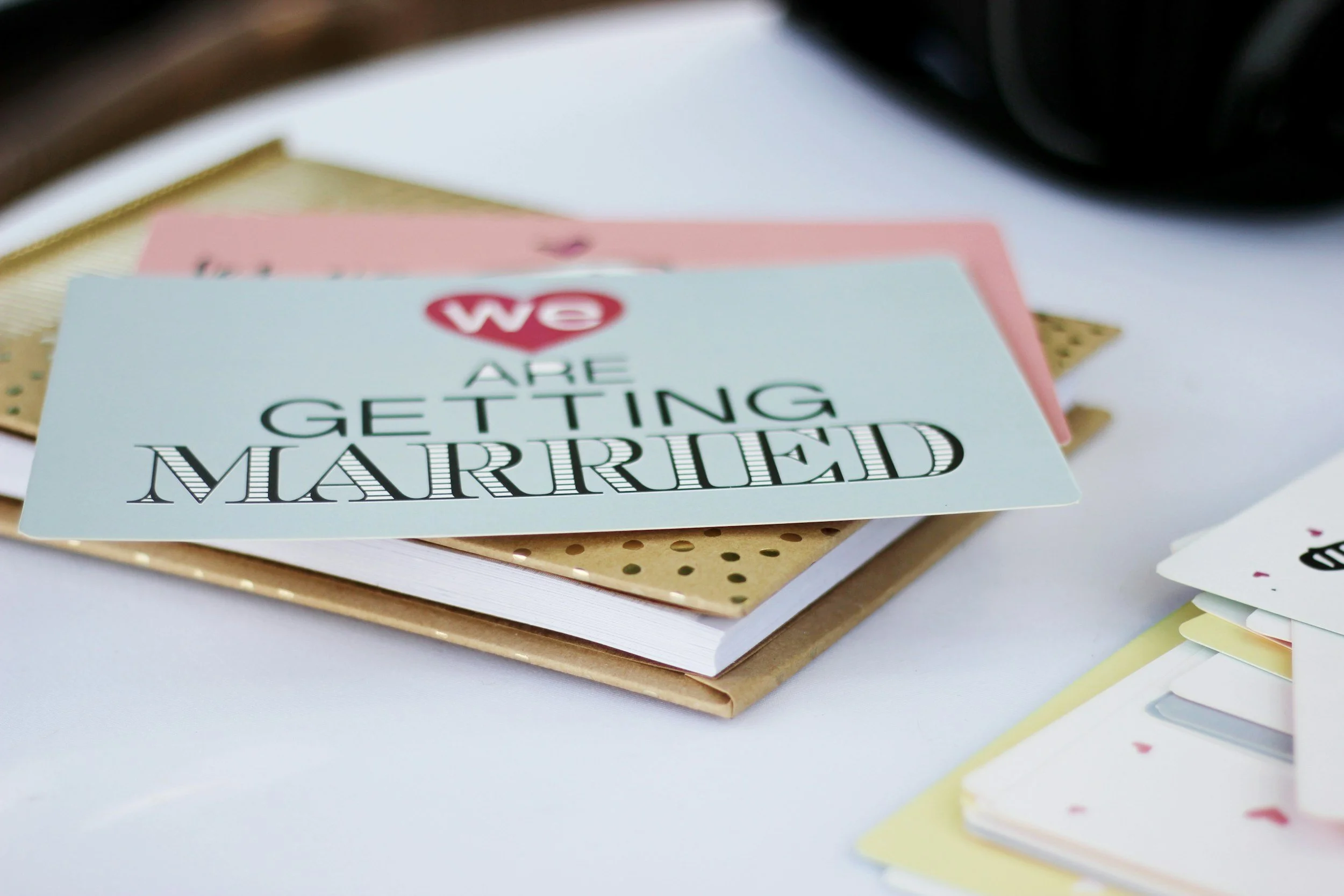
Choosing a wedding date involves more than finding an attractive day on the calendar. The date affects venue availability, vendor pricing, travel costs, weather risks, guest attendance, and the amount of time available for planning.
Instead of starting with one nonnegotiable date, identify a preferred season and several possible weekends. That flexibility makes it easier to balance the factors that matter most.
Start With Your Priorities
Before comparing dates, decide what should drive the choice. Common priorities include:
A particular venue
Comfortable outdoor weather
Attendance by immediate family and close friends
A limited budget
A meaningful anniversary or family date
A specific photographer, planner, band, or other vendor
Enough planning time to save money and organize the event
Rank the top two or three priorities. If the venue matters more than the exact date, ask for its available dates first. If an elderly relative or international guest must attend, check that person’s availability before signing a contract.
Not every preference will fit together. A popular venue on a peak-season Saturday may offer ideal weather but little room for negotiation. A Friday or off-season date may lower costs but make travel harder for guests.
Consider the Wedding Season
Season affects the setting, clothing, menu, daylight, and comfort of an event. However, seasons behave differently from one location to another.
Summer may bring dry weather in one region and extreme heat, humidity, wildfire smoke, or thunderstorms in another. Winter may be a quiet and affordable season in one city but the busiest time of year in a warm-weather destination.
Research the specific wedding location rather than relying on general ideas about spring, summer, fall, and winter.
Use Historical Climate Data
NOAA’s U.S. Climate Normals provide typical temperature, precipitation, and snowfall information for thousands of locations. The current standard normals are based on observations from 1991 through 2020.
Climate normals can help couples compare months, but they do not predict the weather on a particular wedding day. A month with relatively low average rainfall can still produce a storm.
Review:
Average high and low temperatures
Typical precipitation
Snowfall or freezing conditions
Humidity
Extreme heat risk
Wildfire or hurricane season
Usual sunrise and sunset times
For a destination wedding, look at local conditions during the exact time of year rather than assuming the climate matches the couple’s home region.
Plan for Outdoor Weather
Every outdoor wedding needs a practical weather alternative. A tent may protect guests from ordinary rain, but it is not safe shelter from lightning or severe wind.
The National Weather Service recommends that outdoor event plans address likely hazards, shelter or evacuation locations, alert methods, and the time required to move everyone to safety.
Ask the venue:
What indoor backup space is available?
Is the backup included in the price?
Who decides whether the ceremony moves indoors?
When must that decision be made?
Can the tent withstand expected wind and rain?
Is there a fully enclosed lightning-safe building?
How will guests be notified of a change?
What happens during extreme heat, cold, smoke, or flooding?
A vague promise to “figure it out if it rains” is not a complete weather plan.
Use the Date to Manage the Budget
Wedding pricing often changes with demand. Saturday evenings during a location’s most popular wedding months may carry higher venue fees, minimum spending requirements, and vendor rates.
Potentially less expensive choices include:
Friday or Sunday
A weekday
Morning or afternoon
A locally off-season month
A shorter rental period
A date available because of a cancellation
Savings are not automatic. A lower venue fee may be offset by higher travel costs, additional rentals, heating, cooling, lighting, or weather protection.
Request complete written estimates for at least two or three possible dates. Compare the same services, hours, spaces, and guest count. Ask whether the date changes:
Rental fees
Food and beverage minimums
Staffing charges
Required guest minimums
Accommodation rates
Setup and breakdown time
Ceremony fees
Overtime rates
Do not assume that “off-season” means the same months everywhere. Peak wedding and tourism periods depend on the destination.
Consider the Guest List
Couples cannot choose a date that works perfectly for every guest. Focus first on the people whose attendance is essential.
Ask parents, siblings, wedding-party members, and other priority guests about major conflicts. Avoid opening the date to a vote among the entire guest list, which can make the decision harder without producing a clear answer.
Check Holidays and Major Events
A holiday weekend may provide an extra travel day, but it can also bring higher airfare, hotel prices, traffic, and family conflicts. Guests may already have traditions or annual commitments.
Check the proposed date against:
Major national holidays
Religious observances
School calendars
Graduation weekends
Major local festivals
Sporting events
Conventions
Concerts
Election days
Family milestones
A large local event may fill hotels and increase transportation costs even when it has nothing to do with the wedding.
Think About Travel Requirements
Consider how much time guests will need to request leave, arrange childcare, reserve accessible transportation, or travel internationally.
A weekday wedding may save the couple money but require guests to miss more work. A Sunday evening can be difficult for people who need to travel home before Monday.
For a destination wedding, confirm flight availability, airport distance, passport needs, seasonal road conditions, and typical hotel pricing before finalizing the date.
Check Venue Availability Before Announcing the Date
A wedding date is not truly set until an appropriate venue is available and the booking is confirmed.
Begin with a general period, such as three preferred months, and ask venues for all suitable dates within that range. This may reveal options the couple would not have considered.
When comparing availability, ask:
Is the ceremony space available as well as the reception space?
Will another wedding occur at the venue that day?
What time can vendors enter?
When must the event end?
Is there a noise curfew?
Is a rehearsal time included?
Is the weather backup space guaranteed?
How long will the venue hold the date?
What deposit makes the reservation binding?
What are the cancellation and rescheduling terms?
A verbal statement that a date is open does not necessarily reserve it. Review and sign the contract before sending save-the-dates, ordering invitations, or making nonrefundable plans.
Check Important Vendor Availability
Once a venue confirms several possible dates, contact any vendors who are especially important. A photographer, planner, band, or officiant may accept only one wedding per day.
Couples should not contact every possible vendor before selecting a date. Focus on the few professionals who would be difficult to replace.
If several priority vendors are unavailable, compare the importance of the date with the importance of that vendor. Changing the date early is easier than compromising after deposits have been paid.
Review the Logistics of Each Date
Two dates at the same venue can create very different practical requirements.
Daylight
Sunset time affects outdoor ceremonies, portraits, cocktail hours, and lighting. A late fall ceremony may lose daylight sooner than expected, while a summer wedding may remain hot and bright well into the evening.
Ask the photographer and venue how the proposed timeline will work with available daylight.
Setup and Delivery Access
A holiday, weekday, or festival may affect loading areas, traffic, delivery schedules, and parking. Confirm when florists, caterers, rental companies, and entertainment providers can enter the property.
Guest Comfort and Accessibility
Consider the distance between parking, ceremony, reception, and restrooms. Weather can make a route that appears manageable during a tour uncomfortable or unsafe on the wedding day.
Guests may need shade, heating, cooling, seating, accessible paths, or transportation between locations.
Local Requirements
Permit offices, courthouses, and other government offices may be closed on weekends or holidays. Marriage license rules, waiting periods, expiration dates, and officiant requirements vary by jurisdiction.
Check current requirements with the government office that issues marriage licenses where the ceremony will take place.
Allow Enough Planning Time
A longer engagement can provide more venue and vendor choices, particularly for popular Saturdays. It can also give couples time to save, compare contracts, and coordinate travel.
A shorter engagement is possible when the couple is flexible about the venue, date, guest count, and services. In that situation, begin with available venues and book the vendors who can handle only one event per day.
The right planning period is the amount of time needed to organize the wedding without creating financial or scheduling pressure the couple cannot manage.
Narrow the Choice to Three Dates
After reviewing the season, budget, guests, venue, and logistics, select three realistic options.
For each date, confirm:
Venue availability and complete cost
Availability of essential guests
Availability of priority vendors
Typical weather and a backup plan
Hotel and travel conditions
Major local or family conflicts
Setup, daylight, and transportation requirements
Sufficient planning time
Choose the date that satisfies the most important priorities with manageable tradeoffs. A meaningful date is valuable, but so is a date that allows the event to function smoothly.
Confirm Before Sharing
Before announcing the wedding date:
Review the venue contract.
Confirm the ceremony and reception times.
Understand the deposit and refund terms.
Verify the weather backup.
Check the essential guest list once more.
Sign the agreement and receive written confirmation.
After that, couples can begin booking other vendors and sharing the date with guests.
The best wedding date is not necessarily the most popular Saturday or the day with the most promising forecast. It is the date that fits the couple’s budget, important relationships, venue, and practical needs while leaving a workable plan for the unexpected.
