
What Should Go on a Wedding Registry? A Practical Guide for Couples
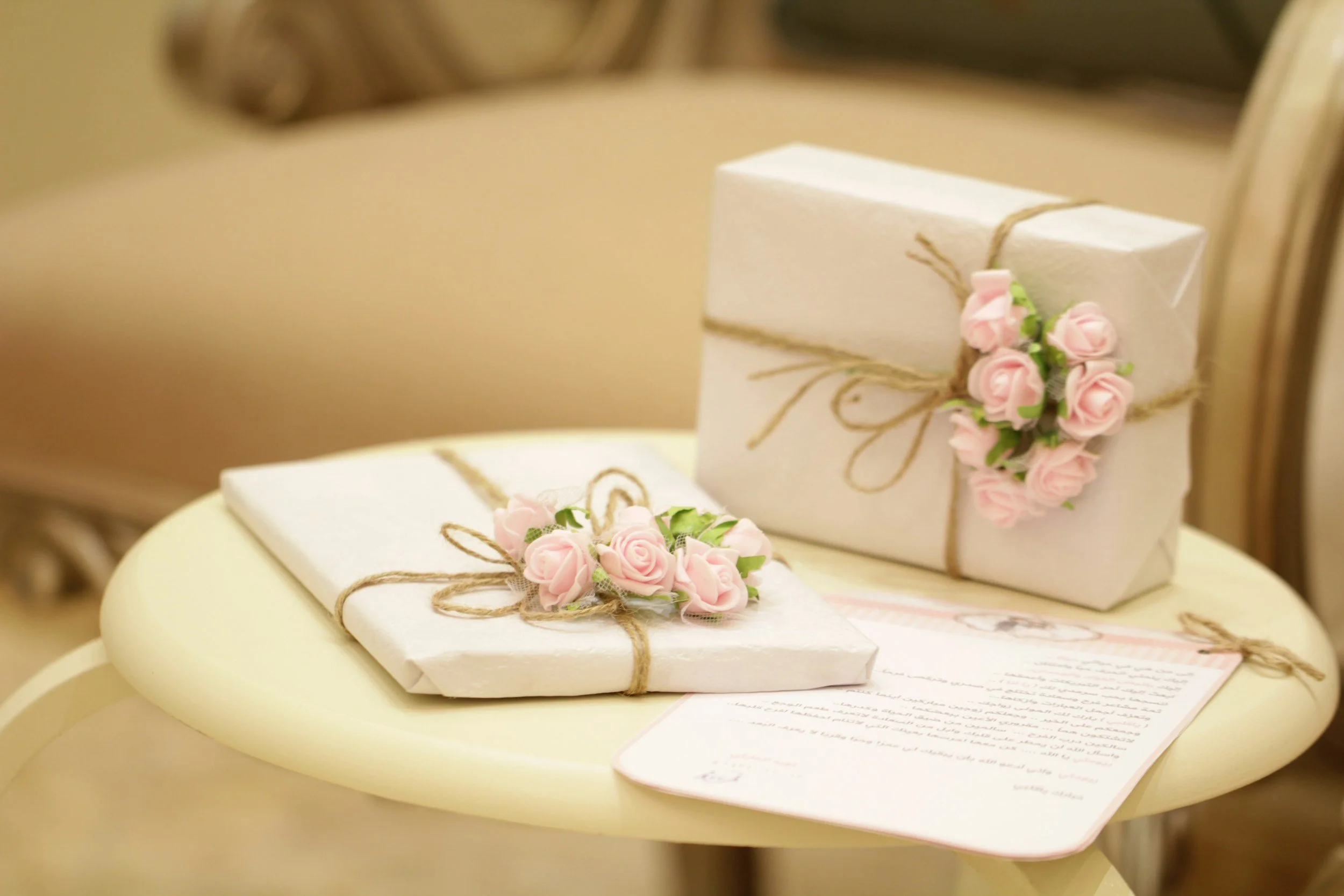
A wedding registry should reflect how a couple actually lives and what they expect to use after the wedding. It does not need to follow a traditional checklist or include products simply because they are common registry items.
Before adding anything, review what you already own, what needs replacing, how much storage space is available, and whether your routines are likely to change. The result should be a practical selection at different prices rather than a long list of unnecessary upgrades.
Start With a Household Inventory
Walk through the home one room at a time. Note which items are missing, worn out, mismatched, or regularly borrowed.
Divide the list into:
Items needed now
Useful upgrades
Items for occasional hosting
Long-term purchases
Experiences or funds
Items that are not needed
If both partners already have established households, compare duplicates before registering. Keep the version in better condition and identify anything worth replacing.
Measure cabinets, closets, counters, and other storage areas before choosing large sets or appliances.
Kitchen Essentials
Kitchen items remain useful registry choices when they match the couple’s cooking habits. A basic collection might include:
Cookware in frequently used sizes
A skillet or sauté pan
Baking sheets and baking dishes
Mixing bowls
Cutting boards
Quality kitchen knives
Measuring cups and spoons
Food-storage containers
Colander
Utensils
Oven mitts
Dish towels
Avoid registering for a large cookware or knife set without checking every piece. A smaller collection of useful items may provide better value than a set containing several pieces that will remain unused.
Couples who rarely cook may need only a few dependable basics. Those who cook frequently may prefer to concentrate on durable upgrades.
Small Appliances
Register for appliances that support existing routines rather than an imagined lifestyle.
Possible choices include:
Coffee maker or electric kettle
Toaster or toaster oven
Blender
Food processor
Mixer
Slow cooker
Rice cooker
Air fryer
Vacuum sealer
Check counter space, cabinet dimensions, electrical requirements, and cleaning needs. A bulky appliance is not useful if it must be stored somewhere difficult to reach.
Compare warranties and return policies before selecting expensive models. Also check the U.S. Consumer Product Safety Commission recall database when researching appliances and other household products.
Dining and Entertaining
The appropriate number of place settings depends on the couple’s household, storage, and hosting plans.
Registry options may include:
Everyday dishes
Flatware
Drinking glasses
Coffee mugs
Serving bowls and platters
Salad or dessert plates
Pitcher
Serving utensils
Table linens
Food storage and transport containers
Formal china, crystal, and specialty serving pieces are optional. Add them only if they suit the way you entertain or have personal meaning.
If space is limited, choose versatile pieces that can move from everyday meals to gatherings.
Bedding and Bath Items
A registry can be a useful opportunity to replace bedding and towels gradually.
Consider:
Sheet sets
Mattress pad or protector
Pillows
Comforter, duvet, or quilt
Extra blankets
Bath towels
Hand towels and washcloths
Bath mat
Shower curtain and liner
Laundry hamper
Confirm mattress, pillow, and window dimensions before adding products. Check care instructions as well. Delicate linens may not be practical for a household that prefers machine-washable items.
Registering for individual pieces instead of a large coordinated set can make future replacements easier.
Cleaning, Laundry, and Home Maintenance
These items may not be glamorous, but they are often used more frequently than decorative gifts.
Useful possibilities include:
Vacuum
Mop or floor-cleaning system
Iron or garment steamer
Drying rack
Laundry baskets
Basic tool kit
Flashlight
Step stool
Extension cords or surge protectors
Storage bins
Fire extinguisher
First-aid supplies
Safety equipment should be appropriate for the home and replaced according to the manufacturer’s instructions. Check local fire-department guidance when selecting or placing smoke alarms, carbon-monoxide alarms, and fire extinguishers.
Home and Outdoor Items
Couples with suitable space may register for:
Luggage
Outdoor furniture
Grill tools
Gardening equipment
Cooler
Picnic supplies
Entryway storage
Lamps
Frames
Simple decorative items
Be cautious with highly specific décor unless both partners are confident about the style. Neutral, functional items are often easier to use through moves and decorating changes.
Renters should consider portability and lease restrictions before adding permanent fixtures or large outdoor equipment.
Shared Interests and Experiences
A registry can include items connected to hobbies and time spent together.
Examples include:
Camping equipment
Board games
Sports equipment
Art or craft supplies
Travel accessories
Books
Museum or attraction memberships
Cooking classes
Concert or theater funds
Experiences can be useful for couples who already have a furnished home. Review the registry platform’s fees, expiration rules, and redemption procedures before adding them.
Cash Funds
Some couples use cash funds for a honeymoon, home purchase, renovation, moving expenses, or another shared goal.
Make the purpose clear without suggesting that guests must contribute. Before selecting a platform, compare:
Transaction and processing fees
Withdrawal rules
Transfer times
Currency-conversion costs
Refund procedures
Fraud protection
Privacy settings
Whether guests pay an additional fee
A fund should not be described as tax-deductible unless the money goes directly to an eligible charitable organization and meets applicable requirements.
Charitable Giving
Couples may invite guests to donate to a selected organization instead of—or in addition to—purchasing gifts.
Link directly to the organization when possible. If tax deductibility matters, guests can verify the organization through the IRS Tax Exempt Organization Search tool.
Do not assume that a contribution processed through the couple or a general cash fund qualifies as a charitable donation. Donation receipts and tax treatment depend on how and where the contribution is made.
Include a Range of Prices
A practical registry gives guests choices at different prices. Include affordable individual items, moderately priced household goods, and a smaller number of major purchases.
If the platform allows group gifting, it may make expensive items more accessible without expecting one person to buy the entire gift.
Avoid filling the lower price range with items you do not need simply to create more options. Useful items such as towels, kitchen tools, storage containers, and individual place settings can provide genuine choices.
Check Return and Exchange Policies
Registry return policies can differ from ordinary store policies. Before publishing the list, review:
Return deadlines
Whether a receipt is required
Refund versus store-credit rules
Shipping or restocking charges
Policies for personalized items
Procedures for damaged products
Duplicate-gift handling
Whether gifts purchased elsewhere can be returned
The Federal Trade Commission recommends reviewing return policies and keeping receipts, order confirmations, and other transaction records.
Ask whether gift receipts are provided automatically and how long the couple will have to make exchanges after the wedding.
Review Warranties and Product Safety
For appliances, electronics, furniture, and other expensive goods, check the written warranty. Confirm its duration, exclusions, claim process, and whether registration is required.
An optional service contract is different from a warranty included with the product. Compare the additional coverage with the manufacturer’s warranty before paying for overlapping protection.
Search the Consumer Product Safety Commission’s recall database for relevant products, particularly when selecting electrical appliances, furniture, or equipment with safety implications.
Maintain the Registry
Review the registry periodically after sharing it. Replace discontinued products, correct unavailable colors or sizes, and add options when most gifts in one price range have been purchased.
After the wedding, record who gave each gift before removing packaging or exchanging anything. Keep order information, warranties, and gift receipts together.
A useful registry is not a list of everything a household could own. It is a carefully chosen collection of items, experiences, and goals that support the couple’s real routines and available space.
