
How to Build a Wedding Day Timeline That Actually Works
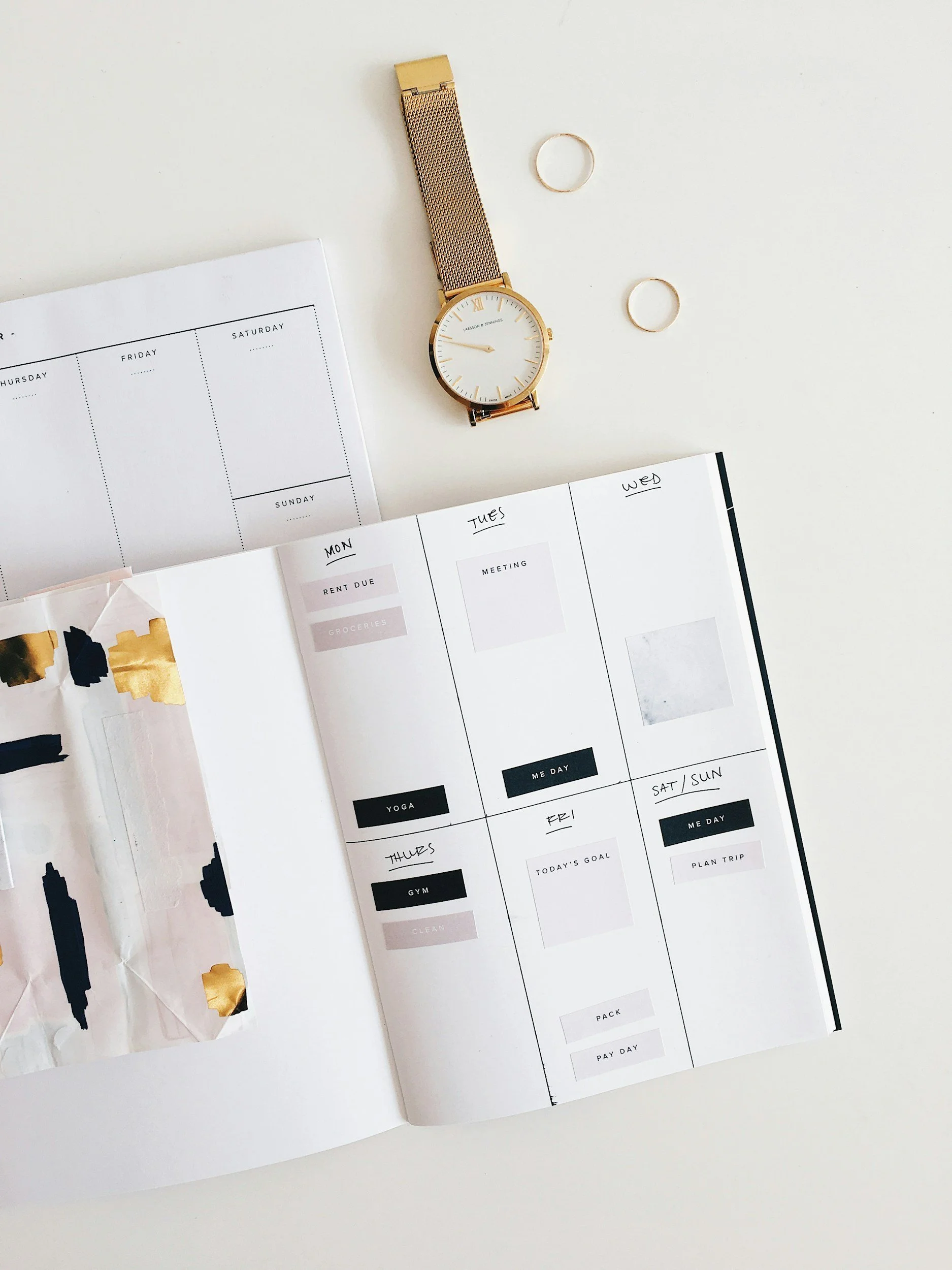
A useful wedding-day timeline does more than list the ceremony and reception times. It accounts for preparation, travel, photographs, vendor setup, guest movement, meals, weather decisions, and the small delays that occur during almost every event.
The goal is not to schedule every minute. It is to give the couple and vendors a shared plan with enough detail to coordinate the day and enough flexibility to handle normal changes.
Start With the Fixed Times
Begin with times that cannot easily move. These may include:
Venue access
Ceremony start
Meal service
Sunset
Transportation departures
Entertainment end time
Venue closing
Rental pickup
Local noise restrictions
Add contractual working hours for the photographer, musicians, planner, transportation provider, and other time-limited vendors.
Once these fixed points are visible, build the rest of the day around them.
Ask Vendors How Much Time They Need
Do not estimate every task alone. Vendors should provide realistic timing for their part of the wedding.
Ask the hairstylist how long each service takes and whether setup time is required. Ask the photographer how much time is needed for detail photographs, portraits, and travel. Confirm catering service times and how long the band or DJ needs to set up and test equipment.
The venue or planner should also confirm:
When deliveries may arrive
When rooms will be ready
How long room changes take
When guests may enter
When cleanup must begin
Which items must leave that night
Combine these answers into one master timeline rather than letting each vendor work from a separate schedule.
Build Backward From the Ceremony
The ceremony start time provides a useful anchor. Work backward through the steps that must happen before it.
For example:
Guests begin arriving.
The wedding party moves out of public areas.
Final clothing and appearance checks occur.
Pre-ceremony photographs end.
Travel to the ceremony location is completed.
Hair, makeup, and dressing are finished.
If the ceremony begins at 4:00 p.m., scheduling preparation to end at 3:55 p.m. leaves no room for a late service, missing accessory, or slow elevator. Finish major preparation early enough for travel and a quiet period before the ceremony.
Make the Preparation Schedule Specific
“Getting ready” is too vague for a working timeline. Record when each person begins hair or makeup, when attire should be put on, and when the photographer needs important details available.
Include time for:
Vendor setup
Breakfast or lunch
Hair and makeup
Dressing
Detail photographs
Individual portraits
Wedding-party photographs
Travel
Touch-ups
Personal or cultural traditions
Avoid scheduling the person getting married last for every beauty service. If one appointment runs late, the entire group may be delayed. Ask the beauty team to design a service order that protects the final completion time.
Decide Whether to Have a First Look
A first look allows the couple to see each other and complete some photographs before the ceremony. It may create more time for family and wedding-party portraits, but it also requires everyone involved to be dressed and ready earlier.
Without a first look, most couple and combined wedding-party portraits will occur after the ceremony. The cocktail hour must then provide enough time for photographs and any travel.
Neither option is automatically better. Choose based on the couple’s preferences, available light, venue layout, and photography priorities.
Allow Time for Guest Movement
If the ceremony and reception are in different locations, include more than the estimated driving time. Guests may need time to exit, find vehicles, park, walk to the entrance, check coats, locate seats, and use restrooms.
Movement within one property also takes time, especially with a large group or guests who use mobility devices.
Review the actual route for stairs, elevators, uneven ground, long hallways, and transportation needs. The schedule should not depend on every guest moving at the fastest possible pace.
Keep the Ceremony Length Realistic
Ask the officiant to estimate the ceremony duration based on the actual format. Readings, personal vows, religious or cultural traditions, music, and large processional groups can all affect timing.
Include time immediately afterward for the couple to exit and for guests to move to the next part of the celebration.
Confirm who will handle the marriage license and when it will be signed. Requirements for witnesses, officiants, filing, and license expiration vary by jurisdiction. Check with the issuing government office before the wedding.
Coordinate Photographs With the People Involved
Give the photographer a concise family-photo list before the wedding. Assign someone who knows the families to help locate people.
Group photographs take longer when participants do not know where to go. Tell immediate family and the wedding party where and when they are expected.
Protect a limited amount of time for couple portraits instead of allowing photographs to consume the entire reception. Additional photographs can sometimes be taken during a quiet period later in the evening.
Plan the Reception Around Service
Meal timing depends on the service style, kitchen, guest count, and number of staff. Confirm the schedule with the caterer rather than assigning an arbitrary dinner time.
Place speeches and special activities where they will not interfere with food service. For example, the catering team may advise against beginning several speeches while hot entrées are waiting.
The reception timeline may include:
Couple or wedding-party entrance
Welcome
Meal service
Speeches
Special dances
General dancing
Cake or dessert
Bouquet or cultural traditions
Late-night food
Last call
Final song
Departure
Not every wedding needs every event. Removing activities can create a calmer schedule and more time with guests.
Add Buffers Where Delays Are Most Likely
A buffer does not need to appear as “unused time” on the guest schedule. It can be built into transitions.
Useful places for extra time include:
The end of hair and makeup
Loading people and belongings into transportation
Travel between locations
Large family-photo groupings
Moving guests between rooms
Changing attire
Preparing for entrances
Vendor breakdown
Avoid creating an entire day of oversized gaps. Place flexibility around the parts that involve many people, travel, or complicated setup.
Create an Outdoor Weather Plan
An outdoor timeline should include both the preferred plan and the weather alternative. Identify who monitors conditions, who decides to move indoors, when that decision must be made, and how vendors and guests will be informed.
The National Weather Service recommends that outdoor events identify shelter locations, establish conditions that trigger action, designate someone to monitor the weather, and determine how long it will take attendees to reach safety.
A tent is not a safe lightning shelter. The backup plan should use a suitable enclosed structure or another safety plan approved for the location.
Weather changes may also affect photography, transportation, setup, and guest arrival—not only the ceremony.
Assign Responsibility for Each Transition
A timeline is more effective when it identifies who is responsible for key actions.
Assign people to:
Hold the rings and marriage license
Cue the processional
Gather family members for photographs
Move personal items
Distribute vendor payments
Announce transportation
Monitor weather
Collect gifts and cards
Check dressing rooms
Take home décor and belongings
The couple should not be the primary contact for routine vendor questions on the wedding day. Give vendors the name and number of the planner, coordinator, or trusted point person.
Create Separate Versions
The master timeline may contain vendor arrivals, payments, deliveries, private contact information, and detailed setup instructions. Guests do not need all of that.
Prepare:
A master vendor timeline
A wedding-party and family schedule
A simple guest schedule
A transportation schedule
A setup and breakdown plan
Send the final version to vendors in advance and ask them to identify conflicts. If a change is made, update the date or version number so people do not follow an older copy.
Sample Wedding-Day Timeline
This example assumes the ceremony and reception are at the same venue. Actual timing should be adjusted with the vendors.
10:00 a.m. – Hair and makeup begin
12:30 p.m. – Photographer arrives and photographs details
1:15 p.m. – Couple and wedding party get dressed
2:00 p.m. – First look and couple portraits
2:30 p.m. – Wedding-party and immediate-family photographs
3:15 p.m. – Photographs end; touch-ups and private break
3:30 p.m. – Guests begin arriving
4:00 p.m. – Ceremony
4:30 p.m. – Cocktail hour and remaining photographs
5:30 p.m. – Reception entrance and welcome
5:45 p.m. – Dinner service
6:45 p.m. – Speeches
7:10 p.m. – Special dances and dance floor opens
8:15 p.m. – Dessert service
9:40 p.m. – Last call
9:50 p.m. – Final song
10:00 p.m. – Guest departure and breakdown begin
A wedding-day timeline works when it reflects the real venue, vendors, travel, guest needs, and priorities. Build it collaboratively, protect the fixed deadlines, and leave enough breathing room for the day to feel like a celebration rather than a race.
