
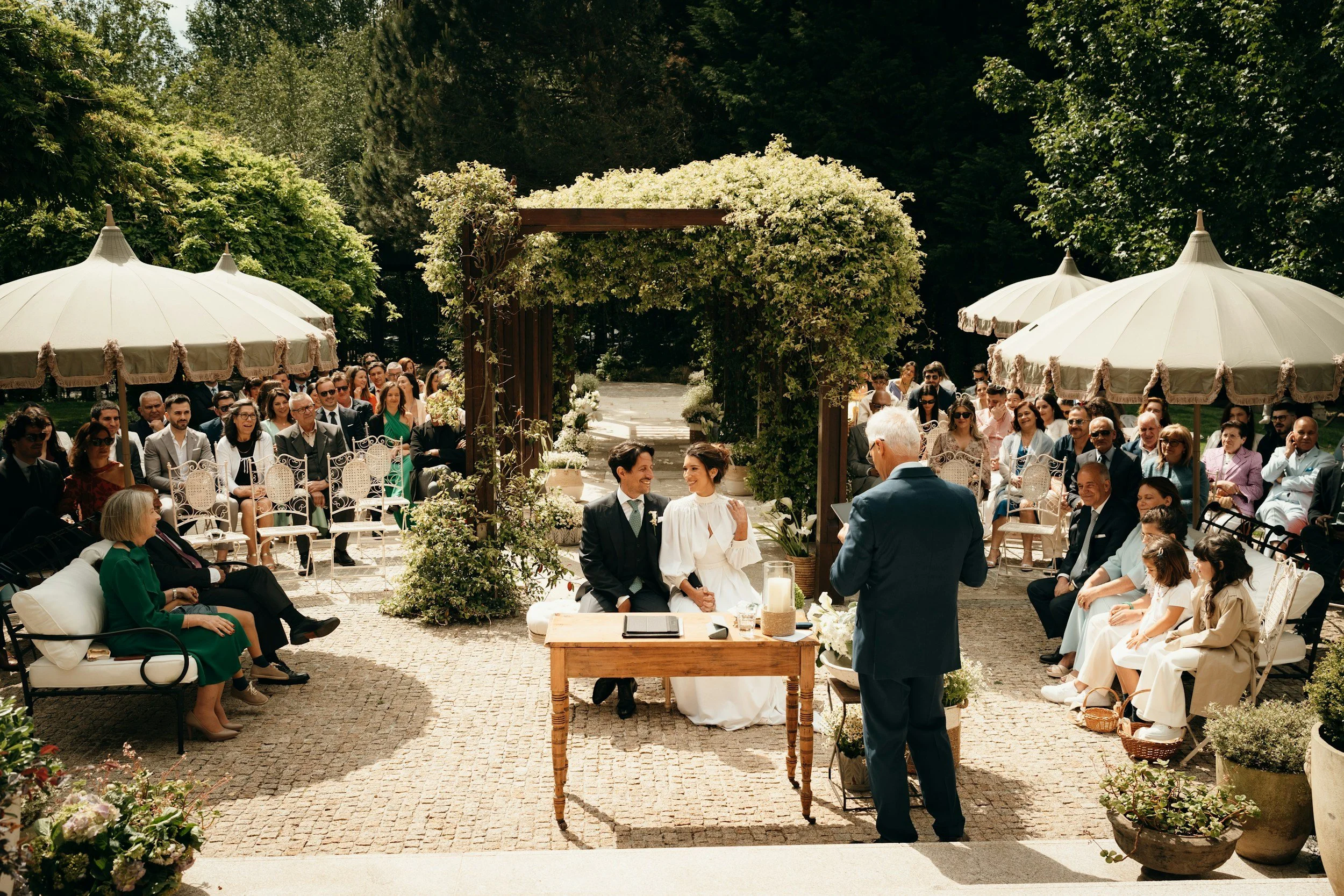
A wedding officiant does more than stand at the front of the ceremony. The right person helps shape the tone, guides the couple through the ceremony, manages important cues, and completes the legal paperwork correctly.
Before booking, couples should evaluate both personal fit and legal eligibility. A warm speaking style is valuable, but it does not replace confirming that the officiant is authorized to perform the marriage where the ceremony will occur.
Decide What Kind of Ceremony You Want
Discuss the general ceremony before interviewing officiants. Decide whether it should feel:
Religious
Secular
Spiritual but not connected to one faith
Traditional
Modern and conversational
Formal
Brief and simple
Personalized with stories or cultural traditions
Couples from different religious or cultural backgrounds should discuss which customs feel meaningful and which language would make either person uncomfortable.
Also decide whether the ceremony will include personal vows, readings, music, a unity ritual, family participation, or a remembrance of loved ones.
Consider the Main Types of Officiants
Options depend on local law and the type of ceremony.
Religious Officiants
Clergy members may perform ceremonies connected to their faith tradition. Some require counseling, membership, specific readings, or use of an approved ceremony format.
Ask about requirements before reserving the venue, especially when either partner follows a different faith or has been married previously.
Professional Wedding Officiants
A professional officiant typically performs secular, spiritual, interfaith, or customized ceremonies. Experience can be especially useful when the couple wants help writing the ceremony or managing a complicated processional.
Civil Officials
Judges, magistrates, justices of the peace, clerks, or other public officials may be authorized to perform marriages, depending on the jurisdiction. Availability and ceremony locations vary.
Friends or Relatives
A friend or family member can make the ceremony feel personal. However, the couple must confirm that the person can legally officiate in the wedding location.
Online ordination is accepted in some jurisdictions but questioned or restricted in others. Some states, counties, or cities require officiants to register or provide credentials before the ceremony. Do not rely only on information from an ordination website.
Verify Legal Authority Locally
Marriage laws vary by state, and administrative procedures may also differ by county or municipality.
Contact the government office that issues marriage licenses where the ceremony will take place. This may be a county clerk, probate court, city clerk, recorder, or similar office.
Ask:
Who may legally perform a marriage here?
Must the officiant register before the ceremony?
Are online-ordained officiants accepted?
Are there residency requirements?
Must credentials be filed or shown?
Are witnesses required?
Who must return the completed license?
What is the filing deadline?
Are electronic signatures permitted?
Are there special rules for remote or virtual participation?
Request written instructions or save the official webpage. If the answer is unclear, speak directly with the licensing office rather than relying on a venue, wedding forum, or social media post.
Interview the Officiant
A short conversation can reveal whether the person’s style matches the couple.
Ask:
Are you legally authorized to officiate at our ceremony location?
Have you performed weddings in this state or county?
What ceremony styles do you offer?
How much can we personalize the script?
Will you include religious, cultural, or family traditions?
Can you help us write personal vows?
How long is a typical ceremony?
Will you attend the rehearsal?
When will we review the final ceremony script?
How do you handle names and pronunciations?
What happens if you become ill or unavailable?
Will you complete and return the marriage license?
When will you arrive on the wedding day?
Do you provide your own microphone?
What are your fees, payment schedule, and cancellation terms?
Couples should feel comfortable discussing sensitive family circumstances, beliefs, identities, and wording preferences.
Ask to See a Sample Ceremony
A sample script helps couples understand the officiant’s tone and structure. It may include:
Welcome
Statement about marriage
Reading or reflection
Declaration of intent
Vows
Ring exchange
Pronouncement
Closing remarks
The sample does not need to become the final script. It simply shows whether the officiant’s language feels natural to the couple.
Ask when changes must be submitted and whether the couple will approve the final version.
Understand Officiant Fees
Officiant pricing varies by location, experience, travel, ceremony complexity, and the services included.
The fee may cover:
Planning meetings
Ceremony-writing assistance
A customized script
Vow guidance
Rehearsal attendance
Travel
Early arrival
Sound equipment
Marriage-license completion
Filing or mailing the license
A keepsake ceremony copy
Possible additional charges include extended travel, parking, lodging, a rehearsal, a holiday date, last-minute booking, or a highly customized ceremony.
Religious institutions may request a donation instead of quoting a standard fee. Ask what amount is customary and whether separate payments are expected for musicians, coordinators, or use of the worship space.
Get the Terms in Writing
Use a written agreement even when the officiant is a professional acquaintance.
The agreement should address:
Wedding date, time, and location
Arrival time
Services included
Total fee and deposit
Travel and rehearsal charges
Payment deadlines
Cancellation and refund terms
Backup arrangements
Ceremony-writing process
License responsibilities
Required equipment
If a friend or relative is officiating without payment, create a simple written schedule and responsibility checklist. Personal familiarity does not prevent missed deadlines or confusion.
Learn the Marriage License Rules Early
The marriage license is the government document that authorizes the marriage. It is different from the decorative certificate sometimes presented during the ceremony.
Confirm:
Where to apply
Whether both partners must appear
Which identification is required
Whether previous-marriage records are needed
Application fees
Waiting periods
License expiration date
Geographic restrictions
Witness requirements
Rules for changing a surname
Procedures for obtaining certified copies afterward
Do not apply so early that the license expires before the wedding. Do not wait until the final day if the jurisdiction has a waiting period, appointment requirement, or limited office hours.
Assign Responsibility for the License
Before the ceremony, decide who will bring the license and who will keep it safe.
The couple, officiant, witnesses, or some combination of those people may need to sign it. Follow the license instructions carefully and use the required names and ink color.
After the ceremony, confirm:
Every required signature is present
The date and location are correct
Names are entered accurately
The officiant has completed the required section
Someone is responsible for returning the document
The return method and deadline are understood
A copy or photograph is kept for reference
Do not assume the officiant will file the license unless that responsibility has been clearly accepted.
Confirm That the Marriage Was Recorded
Mailing or delivering the signed license does not always produce an immediate certified marriage certificate. Processing times vary.
After the expected processing period, contact the issuing or recording office and confirm that the marriage was recorded. Order certified copies from the correct government office when needed for name changes, benefits, insurance, immigration matters, or financial records.
Marriage records are maintained by state or local offices rather than one federal registry. The CDC provides a state-by-state directory for vital records that can help couples locate the appropriate office.
Prepare a Friend or Relative Carefully
A personal officiant may need more support than an experienced professional. Provide:
The final ceremony script
A pronunciation guide
The processional order
Instructions for where to stand
Microphone practice
The marriage-license requirements
The rehearsal schedule
Contact information for the planner
A printed backup copy of the script
Ask the person to avoid unapproved jokes, private stories, or improvisation. A meaningful relationship with the couple does not automatically translate into comfort speaking before a large group.
Watch for Warning Signs
Be cautious when an officiant:
Cannot explain their legal authority
Refuses to use a written agreement
Avoids discussing the marriage license
Does not have a backup plan
Pressures the couple to include unwanted beliefs or language
Is difficult to contact during planning
Will not provide a clear fee breakdown
Plans to arrive only moments before the ceremony
The officiant should make the legal and ceremonial process clearer, not create additional uncertainty.
Choose Both Connection and Competence
A strong officiant respects the couple, communicates reliably, and understands the ceremony’s legal responsibilities. The person should be comfortable speaking publicly while keeping attention on the marriage rather than on themselves.
Confirm legal eligibility with the local license office, review the script, put fees and responsibilities in writing, and decide exactly who will return the signed license. Those steps help create a ceremony that feels personal and produces a marriage record that is completed correctly.
Marriage-license, witness, and officiant rules vary by state and local jurisdiction. This article provides general information and is not individualized legal advice. Confirm current requirements with the government office that issues the license where the ceremony will occur.
