
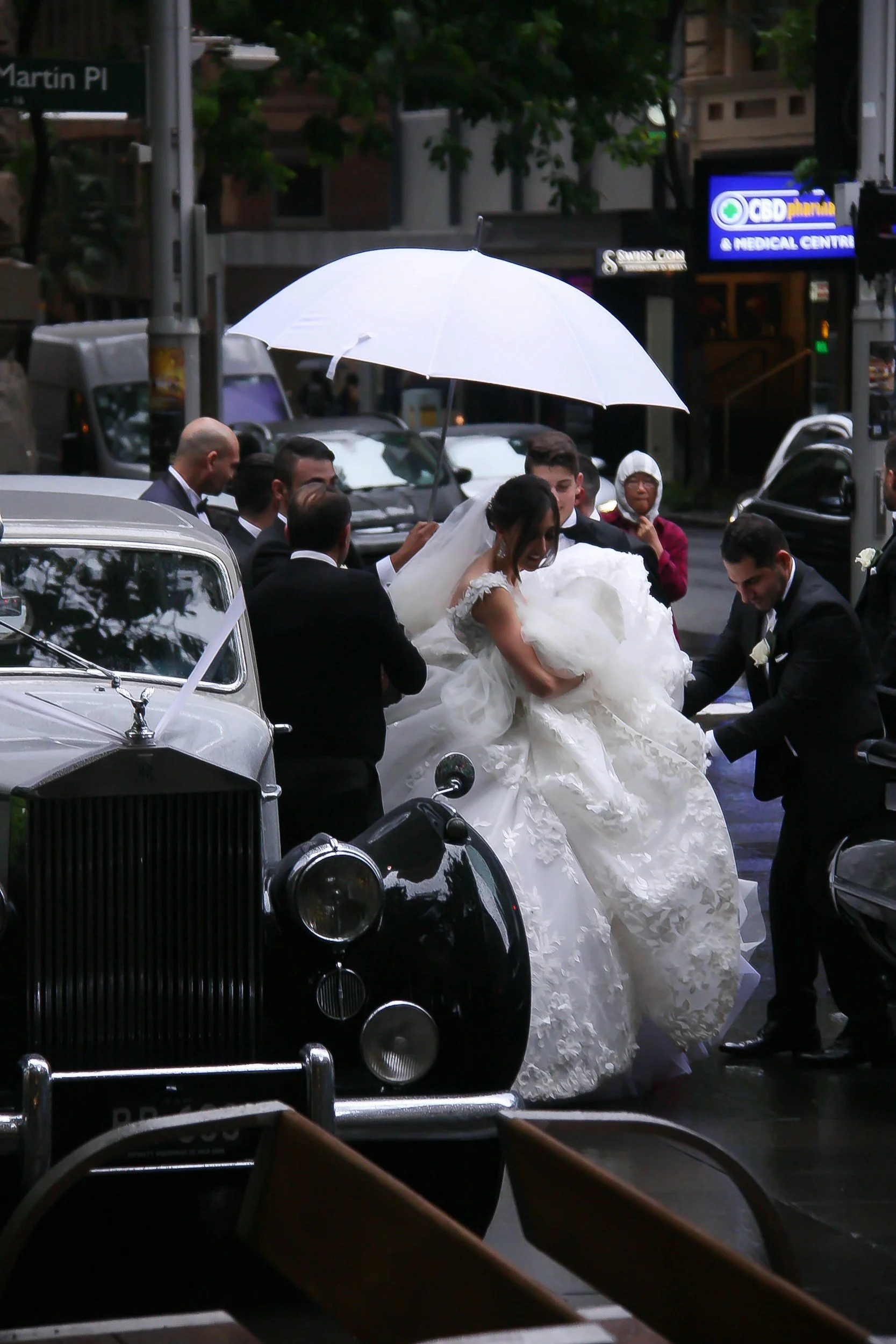
An outdoor wedding does not need perfect weather to feel successful. It does need a complete backup plan that protects guests, vendors, equipment, and the timeline.
A useful rain plan answers more than “Where will everyone go?” It establishes who makes the weather decision, when that decision becomes final, how the ceremony and reception layouts will change, and how guests will receive updates.
Build the Rain Plan Before Booking
Discuss bad-weather options during the venue search, not after the forecast begins to look uncertain.
Ask each venue:
Is an indoor backup space included?
Can it hold every invited guest while seated?
Will the ceremony and reception share the same backup room?
How long does a room changeover take?
Is the backup climate controlled?
Is it accessible to guests with mobility needs?
When must the indoor-or-outdoor decision be made?
Who has final authority to move the event?
Are there additional fees for using the backup space?
Can another event use the backup room on the same date?
Visit the indoor space rather than accepting a verbal description. Check its capacity, lighting, restrooms, noise, entrances, electrical access, and available furniture.
Make sure the venue contract identifies the backup location and any related charges.
Decide Whether a Tent Is Enough
A tent can protect guests from ordinary rain and provide shade, but it does not solve every weather problem. Wind, lightning, flooding, extreme heat, and cold may still make the outdoor site unsafe.
The tent should be installed by an experienced company familiar with the venue, local permits, fire-code requirements, anchoring conditions, and manufacturer limits.
Ask the rental company:
What tent size fits the guest count and floor plan?
How will it be anchored?
Are underground utility markings required?
What wind conditions require evacuation or removal?
Are sidewalls included?
Can sidewalls be added or removed quickly?
Is flooring available?
How will rainwater drain away from entrances?
Are gutters needed between connected tents?
What lighting and electrical service are included?
Can heaters or cooling equipment be used safely?
When will installation and removal occur?
Who inspects the tent before guests arrive?
Do not squeeze the maximum advertised number of people into a tent without accounting for dining tables, aisles, bars, catering stations, a dance floor, entertainment, and accessible routes.
Remember That a Tent Is Not Lightning Shelter
A wedding tent is not a safe place during a thunderstorm. The National Weather Service states that tents and picnic shelters do not provide appropriate protection from lightning.
The National Weather Service Event Ready Guide recommends that outdoor-event plans identify weather hazards, safe shelters, communication methods, and the time required to move everyone.
Choose a substantial enclosed building as the primary severe-weather shelter. Fully enclosed hard-topped vehicles may provide an alternative when a suitable building is unavailable, but moving a large wedding into vehicles requires advance planning.
Know:
Where guests and workers will shelter
How many people each location can hold
How long it will take to move everyone
Who will direct the relocation
How guests with mobility limitations will be assisted
Where vendors should secure equipment
How announcements will be made without electrical power
A distant backup building is less useful if the storm can arrive before everyone reaches it.
Set Clear Weather Decision Times
A forecast can change substantially as the date approaches. Avoid making major decisions from a long-range forecast alone.
Create a schedule such as:
One month before: Confirm backup vendors, tent reservations, and contract deadlines.
One week before: Begin reviewing the local National Weather Service forecast.
Three days before: Hold a call with the venue and planner to review likely conditions.
Twenty-four hours before: Confirm tent installation, flooring, vendor arrival changes, and guest messaging.
Event day: Assign one person to monitor official weather information and communicate with the venue.
The couple should not spend the wedding morning refreshing several weather apps. Assign monitoring to the planner, venue manager, or another responsible person who has authority to act.
Predetermine what conditions will move, delay, shorten, or cancel outdoor portions. Include more than rain. Consider lightning, wind, flooding, extreme temperatures, and unsafe ground conditions.
Coordinate Every Vendor
A rain plan changes more than the ceremony location. Share the final plan with the planner, caterer, photographer, musicians, DJ, florist, rental company, transportation provider, officiant, and anyone responsible for power or lighting.
Confirm:
Revised load-in locations
Covered unloading areas
Electrical protection
Indoor sound requirements
Floral and décor adjustments
Photography locations
Catering access
Shuttle drop-off points
Guest entry routes
Timeline changes
Who will move chairs and decorations
Ask whether vendors charge weather-related change fees or need decisions by a particular deadline. These terms should be reviewed before contracts are signed.
Live musicians and electronic equipment may require reliable shelter even during light rain. A covered stage is not automatically safe during lightning or strong wind.
Plan for the Ground Under the Tent
A roof does not prevent mud, standing water, or wet shoes. Inspect the site after rain if possible and ask where water normally collects.
Depending on the venue, the plan may need:
Raised or solid flooring
Walkway mats
Covered paths
Tent gutters
Extra lighting
Umbrella stands
Towels near entrances
A coat-check area
Protection for electrical cables
An accessible route that remains firm and stable
Grass can become difficult for wheelchairs, walkers, strollers, and dress shoes. Provide a usable path between parking, restrooms, the ceremony, and the reception.
Prepare a Complete Indoor Layout
Do not treat the indoor option as an empty room where everything will somehow fit. Create a backup floor plan in advance.
Decide where to place:
Ceremony seating
Reception tables
Wedding party
Dance floor
Musicians or DJ
Bar
Cake and desserts
Gifts and cards
Catering stations
Accessibility seating
Photography equipment
If the same room must serve both the ceremony and reception, determine where guests will go during the room change and how long it will take. Arrange drinks, appetizers, or another activity in a separate covered location if available.
Communicate With Guests Early
The wedding website can explain the general plan without creating unnecessary concern.
Include information such as:
Which portions are planned outdoors
Whether events will continue in light rain
Whether an indoor backup exists
Appropriate footwear for grass or uneven ground
Expected temperature changes
Where last-minute updates will appear
Avoid promising that the event will remain outdoors under all conditions.
For destination weddings or venues with limited shelter, send a reminder several days before the event. Use email or text for meaningful changes to arrival time, entrance, transportation, or location.
A simple update might say:
“Rain is expected, so the ceremony will take place in the venue’s indoor garden room. The start time and address remain the same. Please enter through the west lobby.”
Give guests one clear message rather than separate updates from several family members.
Keep Guests Comfortable
Stock a small supply of practical items based on the forecast:
Umbrellas
Towels
Ponchos
Warm wraps
Fans
Drinking water
Shoe-protection options
Directional signs
Non-slip entrance mats
Place an attendant or sign at the original outdoor entrance so late arrivals know where to go.
Transportation plans should allow guests to board and exit shuttles under cover when possible. Build extra travel time into the schedule when roads, parking areas, or walkways may be wet.
Review Insurance and Contracts
Wedding insurance may cover certain losses, but policies vary. Ordinary rain may not be a covered reason for cancellation. Read the policy’s definitions, exclusions, notice rules, and documentation requirements.
Also review venue and vendor contracts for:
Force majeure provisions
Weather-related cancellation terms
Rescheduling options
Nonrefundable payments
Tent cancellation deadlines
Damage responsibility
Safety authority
Required permits
Insurance requirements
Ask questions before paying deposits. A vendor’s willingness to “work something out” is not a substitute for written terms.
Choose Safety Before Appearance
A drizzle may call for umbrellas and a covered aisle. Lightning, dangerous wind, flooding, or an unstable tent requires a different response.
NOAA advises outdoor-event organizers to identify safe shelter before the event, monitor forecasts, and move people inside promptly when thunder is heard. Its lightning safety guidance recommends waiting at least 30 minutes after the last thunder before resuming outdoor activity.
The photographs, décor, and original layout are secondary when conditions become unsafe.
A strong outdoor wedding rain plan is detailed enough that vendors know what to do and simple enough that guests receive one clear instruction. Confirm the shelter, layout, decision deadline, communication method, and responsible person well before the wedding day. Then the celebration can continue without requiring the couple to manage every weather decision themselves.
