
What Couples Should Know Before Choosing Wedding Flowers and Décor
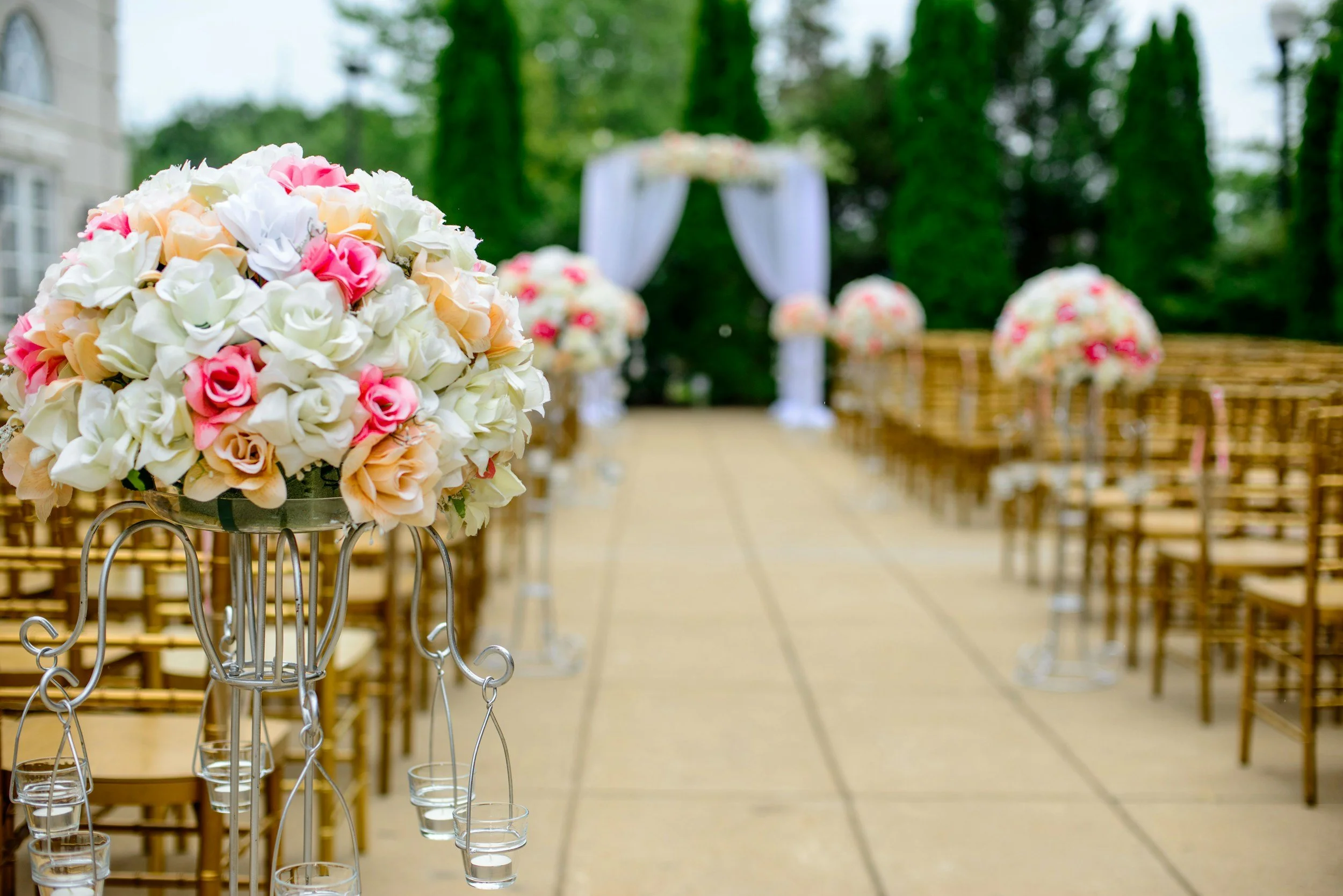
Wedding flowers and décor affect more than appearance. They influence the budget, floor plan, setup schedule, accessibility, rental needs, and cleanup responsibilities.
Before choosing individual flowers or buying decorations, understand the venue and decide which areas deserve the most attention. A coordinated plan using fewer intentional elements is often more effective than decorating every available surface.
Begin With the Venue
Review the ceremony and reception spaces before creating a detailed décor plan. Note the existing colors, architecture, furniture, lighting, landscaping, and views.
Ask the venue about restrictions involving:
Candles and open flames
Hanging installations
Wall or ceiling attachments
Confetti, petals, rice, and glitter
Water-filled containers
Outdoor structures
Aisle decorations
Setup and breakdown times
Storage
Approved vendors
Required insurance
Cleanup and waste removal
Get important approvals in writing. A design is not useful if the venue will not permit it or the installation cannot be completed during the available setup period.
Establish the Décor Budget
The cost of flowers includes more than stems. A floral or décor proposal may include:
Design labor
Containers and mechanics
Rentals
Delivery
Installation
Room changes
Teardown
Travel
Taxes and service charges
Minimum spending requirements
Ask for an itemized proposal showing what is purchased, what is rented, and what must be returned.
Set priorities before requesting elaborate designs. The ceremony backdrop, personal flowers, entrance, head table, or guest tables may matter more than decorating hallways, restrooms, and other briefly used areas.
Choose a Direction, Not an Exact Copy
Reference photographs can communicate color, shape, density, and overall mood. They should not be treated as an exact shopping list.
A florist may not be able to reproduce an arrangement precisely because flower availability, color, size, and condition can vary. The original photograph may also use more flowers, expensive varieties, or a different seasonal setting than expected.
Identify what you like about each example:
Loose or structured shape
Bright or muted colors
Minimal or abundant flowers
Greenery level
Height
Texture
Container style
Formal or relaxed appearance
This gives the designer room to produce a coherent result within the budget.
Understand Seasonal Availability
Being “in season” does not guarantee that a particular flower will be available in the required quantity, size, or shade. Weather, transportation, growing conditions, and supplier inventory can affect the final order.
Ask the florist to identify acceptable substitutions in advance. The contract or proposal should explain how substitutions will be handled if a requested product is unavailable or arrives in poor condition.
Choose a color palette and general style with some flexibility rather than depending on one exact variety. A skilled substitution should preserve the design’s overall appearance and value.
Compare Proposals Using the Same Scope
Give each florist or décor company the same information:
Wedding date and locations
Guest and table count
Wedding-party size
Required personal flowers
Ceremony layout
Reception layout
Color direction
Reference photographs
Installation needs
Teardown deadline
Working budget
One proposal may appear less expensive because it excludes delivery, candles, containers, setup, or removal. Compare estimated totals and quantities, not only the headline price.
Review vendors through more than one source. The Federal Trade Commission recommends evaluating online reviews critically because some reviews may be fake, incentivized, or manipulated.
Decide Where Flowers Will Have the Most Impact
Start with areas that will be seen for a meaningful amount of time or appear frequently in photographs.
Possible priorities include:
Bouquets and personal flowers
Ceremony focal point
Aisle entrance
Welcome area
Escort-card display
Couple’s table
Guest-table centerpieces
Cake or dessert area
Large installations can be visually effective, but they also require more labor, equipment, and setup time. Ask whether a simpler design at the correct scale would achieve the same purpose.
Avoid spending heavily on spaces guests pass through only briefly unless those areas solve a practical need, such as directing people into the reception.
Reuse Arrangements Realistically
Moving ceremony flowers to the reception can reduce duplication, but repurposing is not automatically free or practical.
Ask:
Who will move the arrangements?
When can they be moved?
How far is the reception space?
Will the flowers fit the second location?
Are the containers stable enough to transport?
Will guests see the relocation?
Is additional labor required?
What happens if weather affects the flowers?
An aisle arrangement may work near a bar or stage, while a large ceremony installation may be too heavy or specifically constructed for one location.
Include repurposing labor and the second placement in the written proposal.
Keep Tables Functional
A centerpiece should leave room for place settings, water, wine, shared food, table numbers, and other required items.
Confirm the actual table size before approving the design. A centerpiece shown on a wide display table may overwhelm a narrower dining table.
Tall arrangements should be designed so they do not obstruct conversation or important views. Low arrangements should not spread into place settings or create unstable clutter.
Candles, menu cards, favors, bottles, and serving dishes must be considered together. Ask the florist, caterer, and rental company to review a sample table or detailed diagram.
Protect Accessible Routes
Décor should not obstruct entrances, aisles, ramps, wheelchair spaces, elevators, restrooms, or emergency exits.
The ADA standards require accessible routes and clear floor space in covered facilities. Long linens, unstable floor arrangements, cords, lanterns, signs, and planters can create barriers or tripping hazards.
When placing decorations:
Keep required routes clear.
Leave adequate space at accessible seating locations.
Secure electrical cords.
Avoid low objects that are difficult to detect.
Prevent fabric from pooling into walkways.
Confirm that hanging décor provides safe clearance.
Make signs and displays approachable for guests using mobility devices.
Review the completed floor plan with the venue before ordering large installations.
Check Candle and Fire Rules
Venues may prohibit open flames or require candles to be enclosed. Rules can depend on the building, local fire requirements, and the type of event.
Ask whether the venue permits:
Taper candles
Floating candles
Votives
Candelabras
Sparklers
Dried grasses
Paper installations
Fabric draping
Battery-operated candles may be an alternative, but confirm the expected quality, quantity, rental terms, and battery life.
Do not assume that a design used at another venue will be allowed at yours. Obtain approval before purchasing candles or fire-sensitive materials.
Prepare Outdoor Arrangements for the Conditions
Outdoor flowers and décor may be affected by heat, cold, rain, direct sunlight, and wind.
Ask how the florist will stabilize arrangements and keep flowers hydrated. Lightweight signs, arches, candles, and aisle pieces may need additional support.
The weather backup plan should address décor as well as guests. Confirm:
When the indoor decision will be made
Whether the same arrangements fit the backup space
Who will move or redesign them
Whether installation charges change
What happens to outdoor rentals
Whether severe conditions can cancel setup
Safety should take priority over preserving the original design.
Understand Rental Responsibilities
Vases, arches, candle holders, stands, linens, and other décor may remain the vendor’s property.
The contract should state:
Rental quantities
Replacement value
Return deadline
Pickup responsibility
Cleaning requirements
Damage charges
Whether guests may take arrangements
Which containers must remain at the venue
Make sure the cleanup team knows what is rented. Guests should not be invited to take centerpieces unless the florist has confirmed what may leave.
Plan What Happens After the Wedding
Decide in advance whether flowers will be taken home, offered to guests, donated, composted, or discarded. Not every organization can accept used floral arrangements, so confirm before promising a donation.
Separate flowers from floral foam, wire, plastic, glass, and rental containers before composting or recycling. Local waste rules determine which materials are accepted.
The Environmental Protection Agency recommends reducing event waste through reuse, recycling, and careful planning. Renting containers and reusing décor can reduce the number of items that must be stored or discarded afterward.
Review the Final Design and Contract
Before signing, confirm:
Exact products and quantities
Color and style descriptions
Permitted substitutions
Rental items
Delivery and installation
Repurposing
Teardown
Total price and payment schedule
Cancellation and postponement
Responsibility for damage
Weather procedures
Final-change deadline
Keep the signed agreement, proposal, floor plan, inspiration images, and approved revisions together.
Flowers and décor should support the venue and guest experience without interfering with movement, meals, or the schedule. A clear scope, flexible design direction, and detailed contract make it easier to create a cohesive result without paying for unnecessary elements.
